Trending

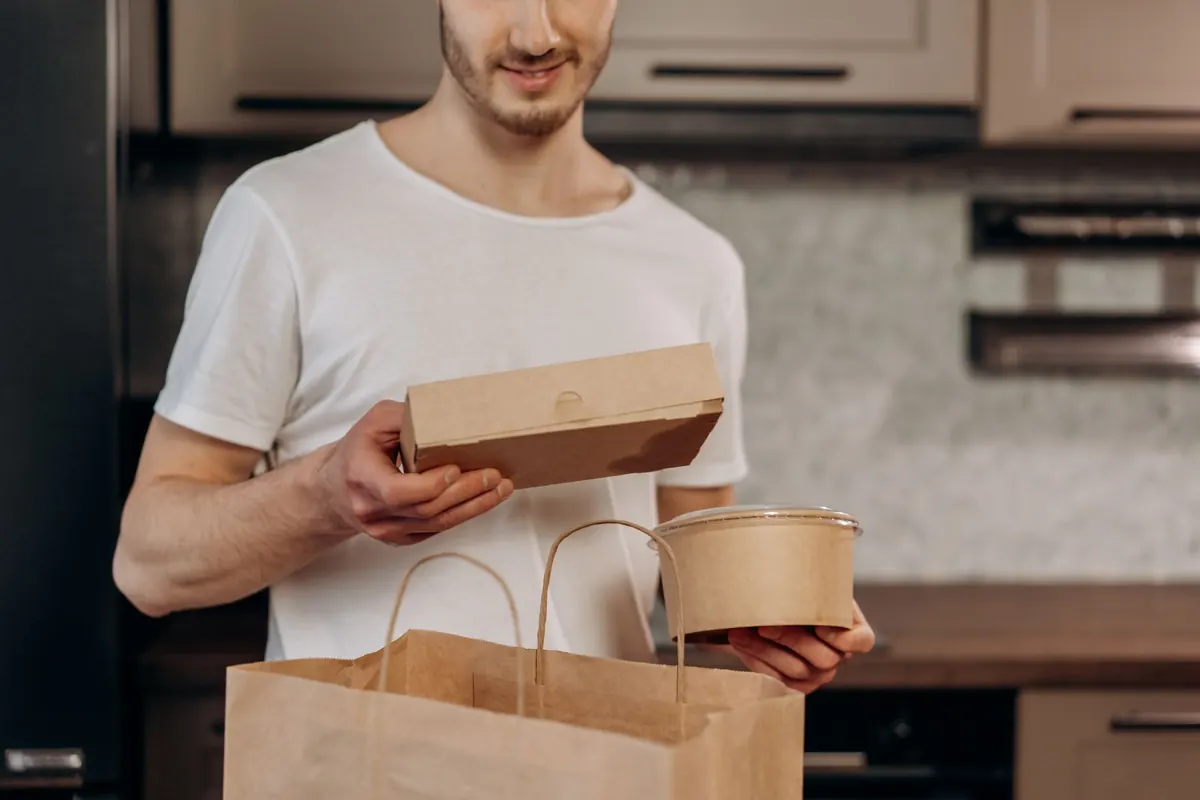
A pub kitchen is built for a plate that travels six feet from the pass to the table. Delivery asks it to travel three miles in a box, wait in a warm bag on a passenger seat, and still look like something worth paying for. The pubs that get this right do not simply box up the existing menu. They build a second, smaller menu around what actually survives the trip.
That means making decisions you would never make for the dining room. You will drop dishes you are proud of. You will change how you cook a few others. And you will spend more time thinking about lids, vents and gravy pots than you ever expected to.
Almost everything that goes wrong with delivered food goes wrong the same way. Heat creates steam. Steam creates moisture. Moisture moves into whatever is nearest — the crust, the bun, the batter, the lettuce leaf — and turns it soft.
A useful test when you are planning a menu: ask whether a dish is better fifteen minutes after cooking than it was at minute one. Braises, curries, chillies and stews all improve, or at least hold. Fried food, crisp salads, pastry that should shatter and anything assembled at the last second all peak immediately and then decline. Build around the first group.
Your Sunday roast is the dish people will want most, and it is also the one that fails hardest in a box. Do not give up on it. Break it apart.
Slice the meat and add a spoonful of gravy so it stays moist. Put roast potatoes in a vented container so they breathe rather than sweat. Yorkshire puddings travel in their own paper bag, away from steam. Gravy goes in a tub with a lid you can screw or peel. Greens get blanched and packed with a little butter rather than swimming. The customer rebuilds the plate in thirty seconds and gets something close to what you serve inside.
Fish and chips need the same treatment. A sealed hot box is the enemy of batter. Use a vented carton or pierce a few holes in the lid, salt the chips at the packaging stage, and never let mushy peas or tartare touch the fish until it reaches the door.
This is where most operators try to save money and lose customers. Packaging is not a cost to be minimised; it is the thing standing between your food and disappointment.
Check that whatever you buy is suitable for hot, fatty food and that it complies with food contact rules in your area. Your supplier will know, and your local authority environmental health team can confirm what is expected of you.
The biggest mistake is sending the whole dining menu out the door. A delivery menu of fifteen to twenty items will outperform one of fifty, because the kitchen can repeat dishes properly, prep is predictable, and the customer can decide in under a minute.
Group it simply. Mains, sides, dips, drinks, puddings. Give the sides real weight: chips, dirty fries, garlic bread, slaw, pickles, extra gravy. They are quick, they travel, and they lift the average order. Dips are the cheapest margin on the menu and customers order them without thinking.
Name dishes so they read well on a small screen, and describe the portion honestly. If a dish arrives smaller than the picture suggested, the customer remembers that, not the flavour. Keep allergen information accurate and complete for every item you list — this is a legal requirement in most places and worth getting right from day one.
Every delivered order carries costs a dine-in order does not: containers, bags, seals, cutlery, plus any platform commission. Price the delivery menu so it stands on its own rather than as a discounted version of the restaurant menu.
Resist the urge to shrink portions to protect margin. Customers judge value on what lands on the table, and a generous portion arriving hot will do more for your reputation than a clever price. If you need to trim costs, do it in the kitchen and in the menu's complexity, not on the plate. If you are unsure how commission and packaging change your numbers, a short conversation with an accountant is worth the fee.
Good food still fails if it sits on a shelf for ten minutes. Set up a staging area with clear lighting and a marker for what is waiting. Ticket times should drive the bag, not the other way round. Have hot bags ready before the food is.
Give drivers a one-page sheet: where to park, which door, who to ask for, and what to do if an item is missing. Keep drinks in a separate carrier so they cannot tip over the food. Never stack a hot box on top of a salad. If a driver is late, that is often outside your control, but a well-labelled, well-sealed bag gives the order its best chance.
Before a single delivery order goes out, order your own food. Package it exactly as you intend to. Put it in the bag, drive the route a driver would take, and eat it at the other end with a timer running. Note what has gone soft, what has dried out, what has leaked, and what still tastes good.
Then fix one thing at a time — the chips, then the gravy pots, then the burger build — and test again. Ask a few regulars to order and tell you honestly what arrived. A delivery menu is not a one-off project: it is a dish list you keep tuning as you learn what your kitchen and your customers can rely on.
Photo: Mikhail Nilov / Pexels